Facebook
 X
X
 Pinterest
 Copy Link
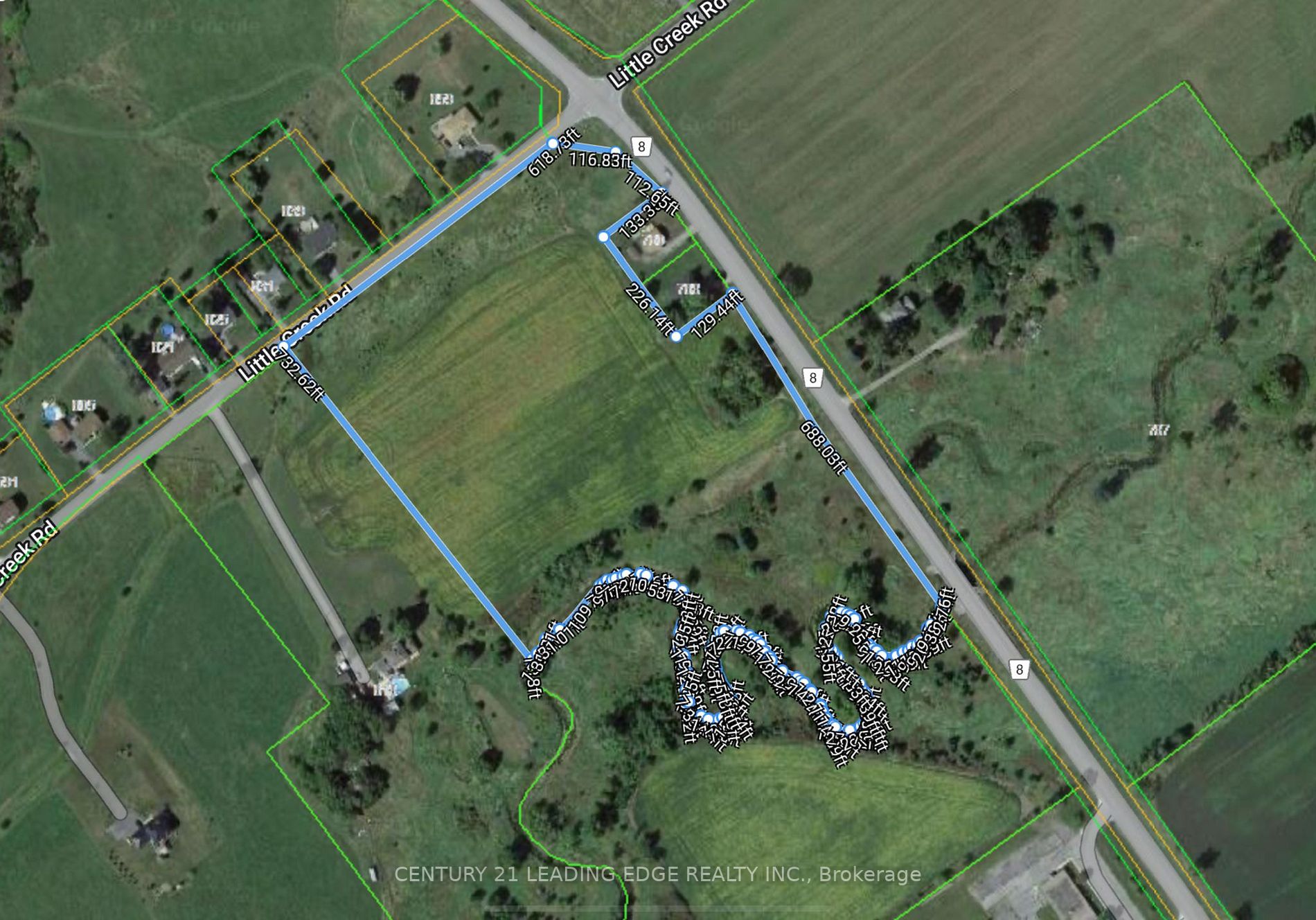
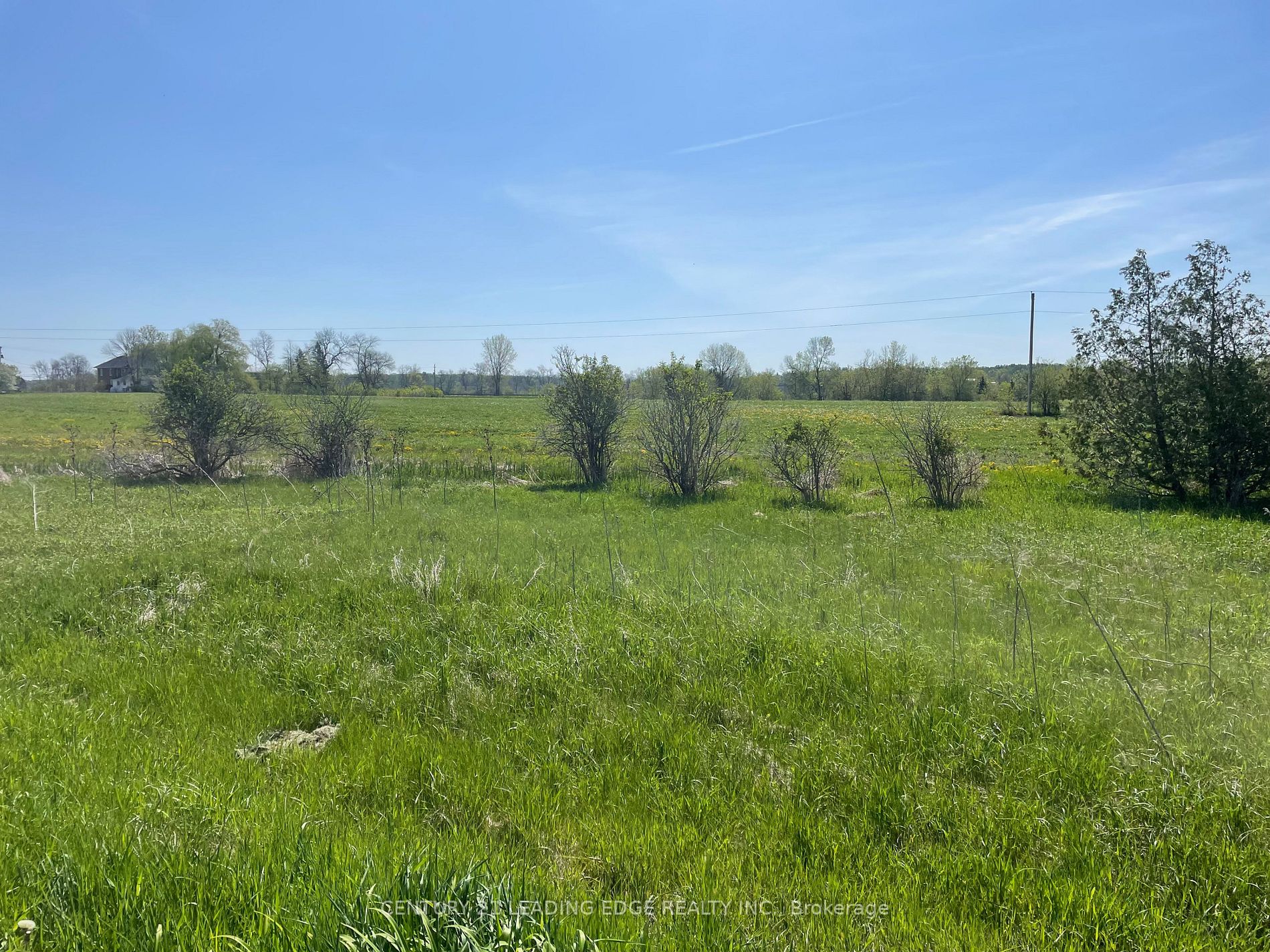
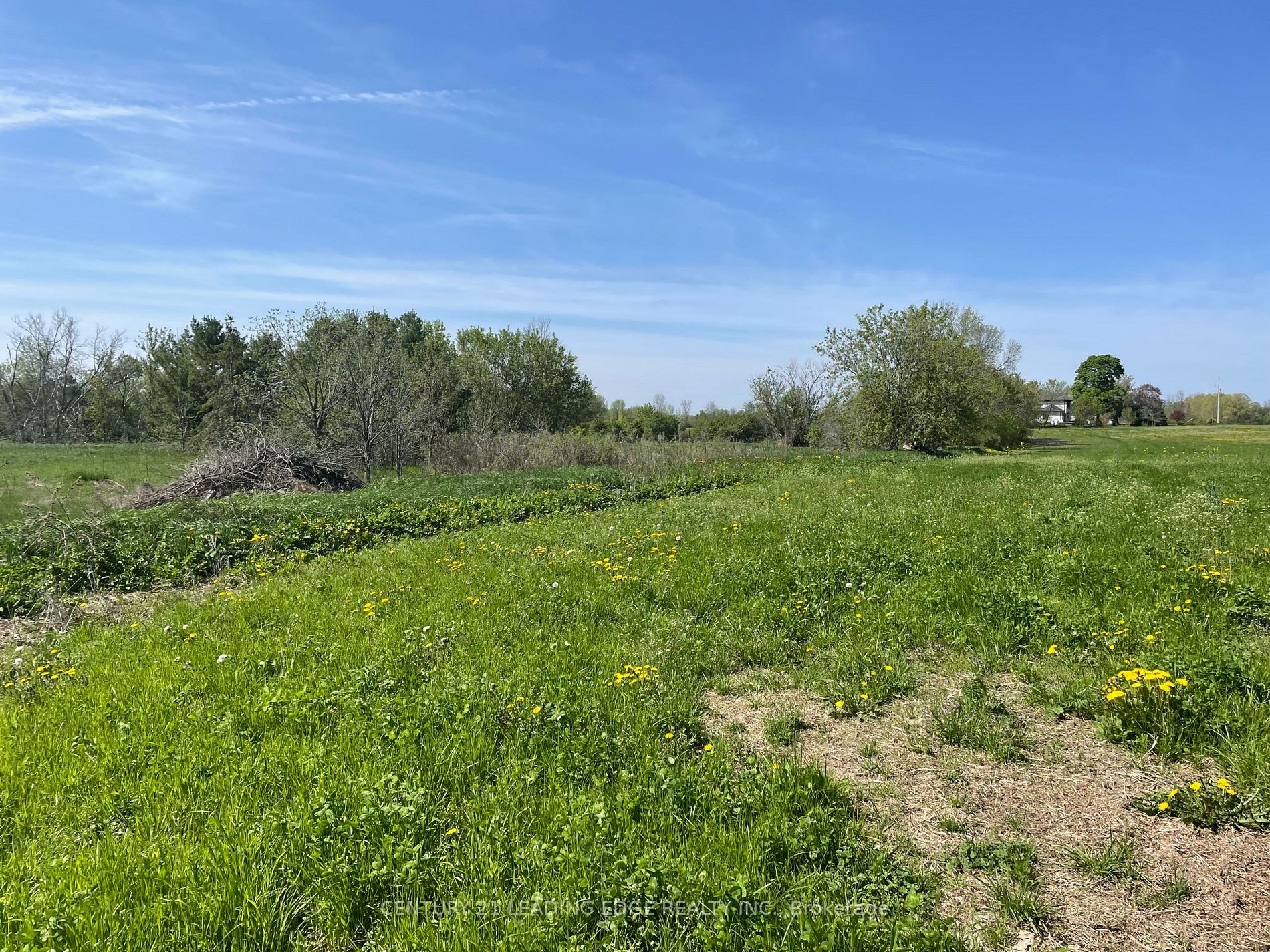
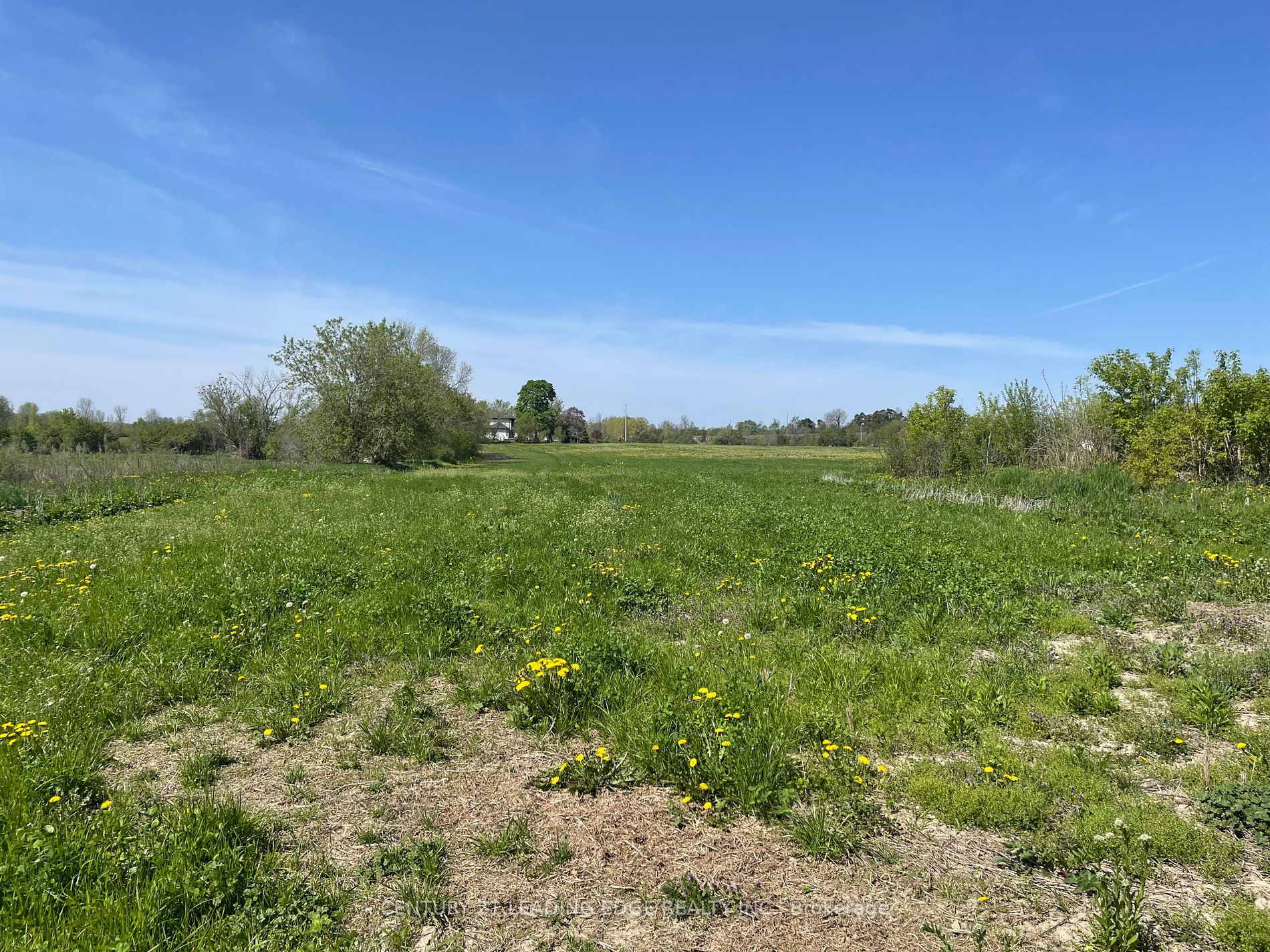
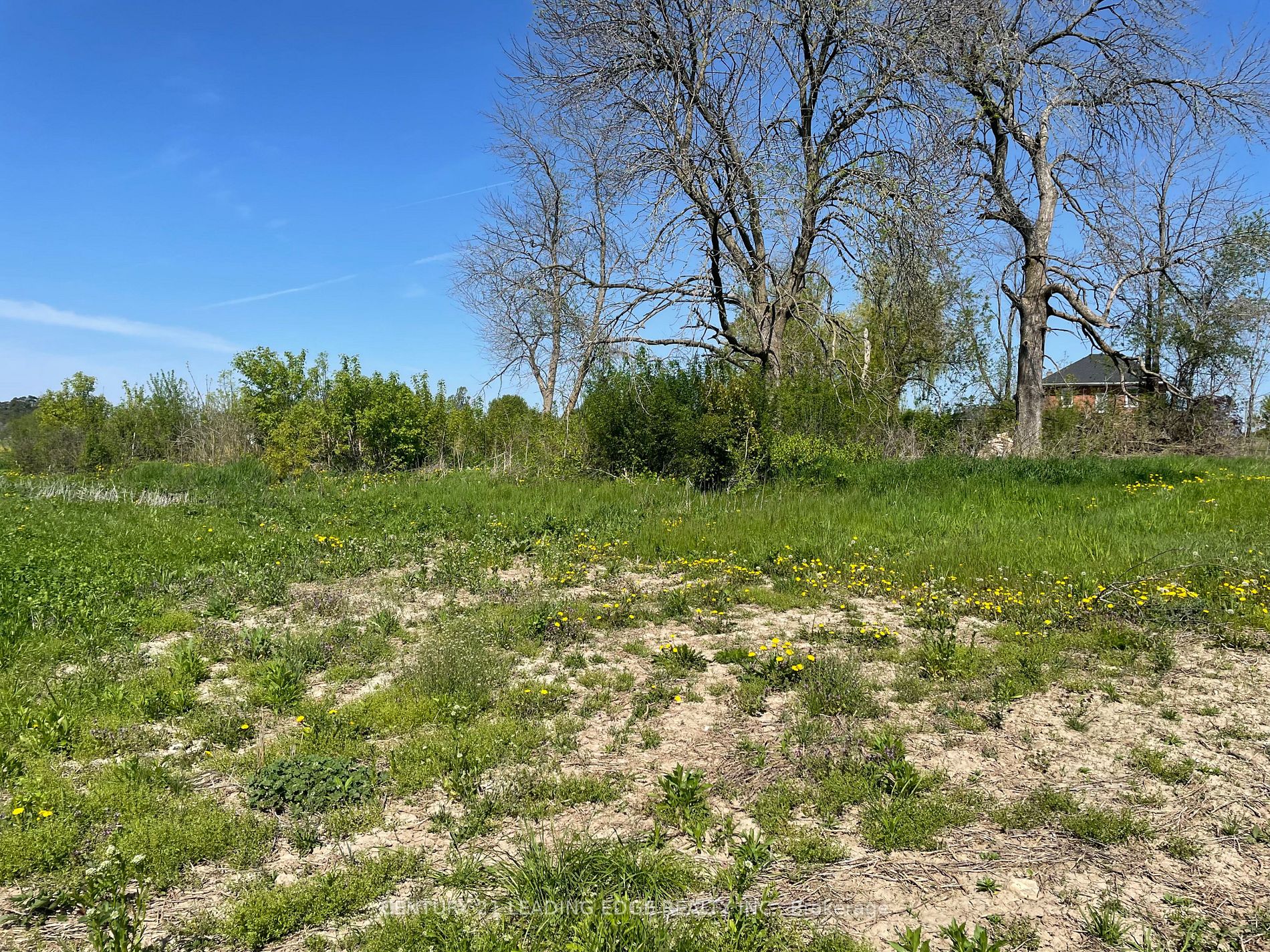
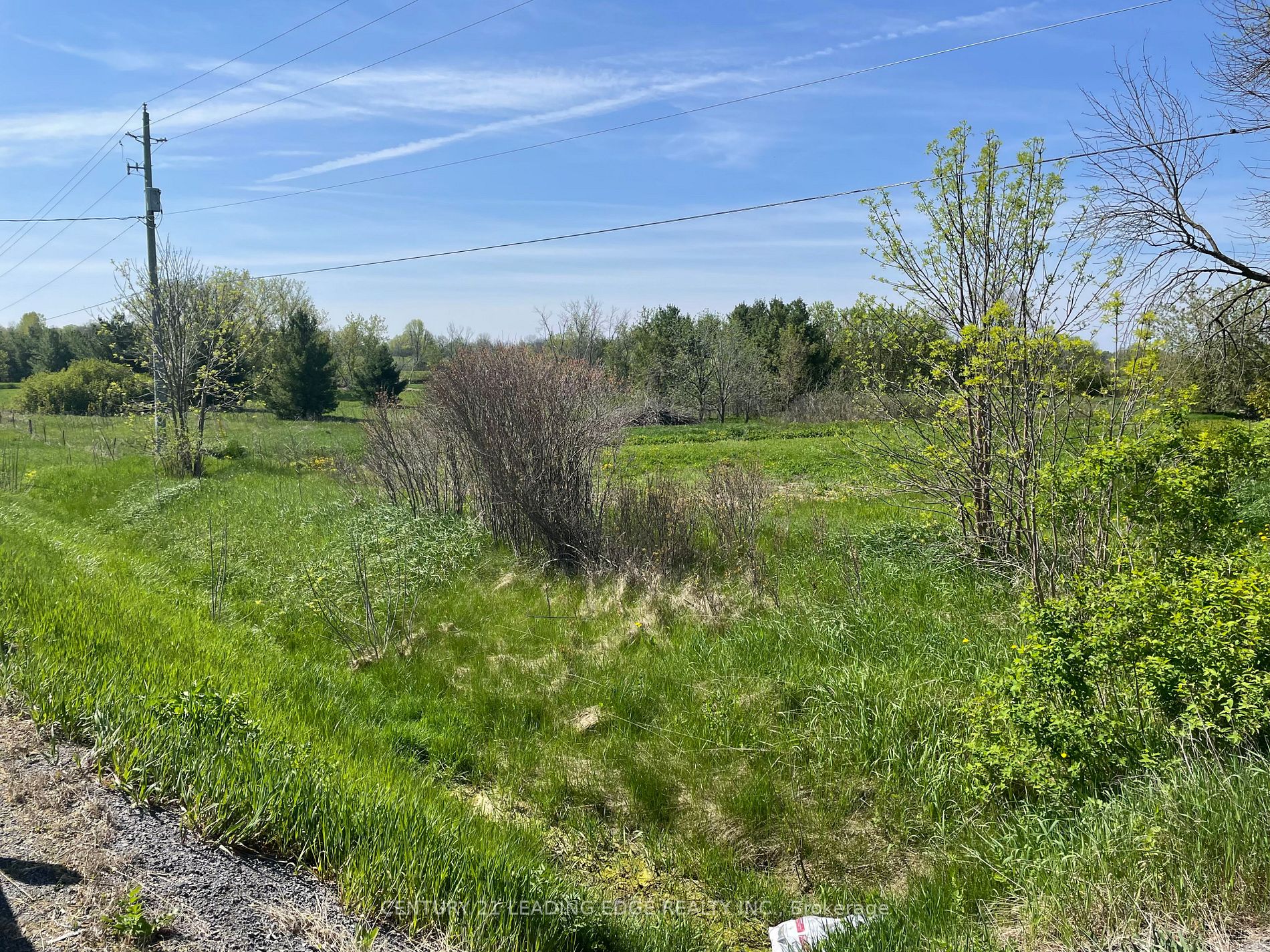
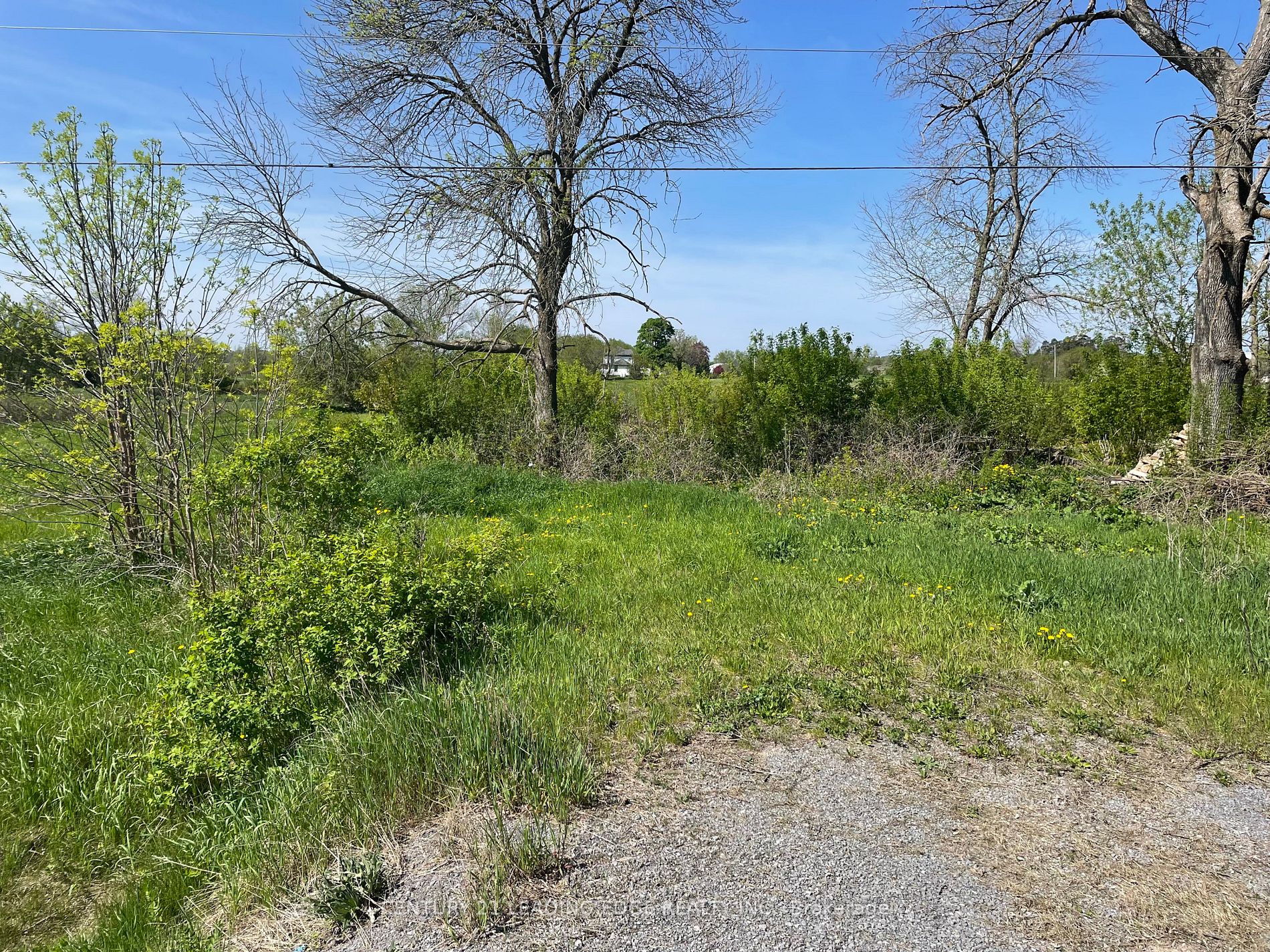
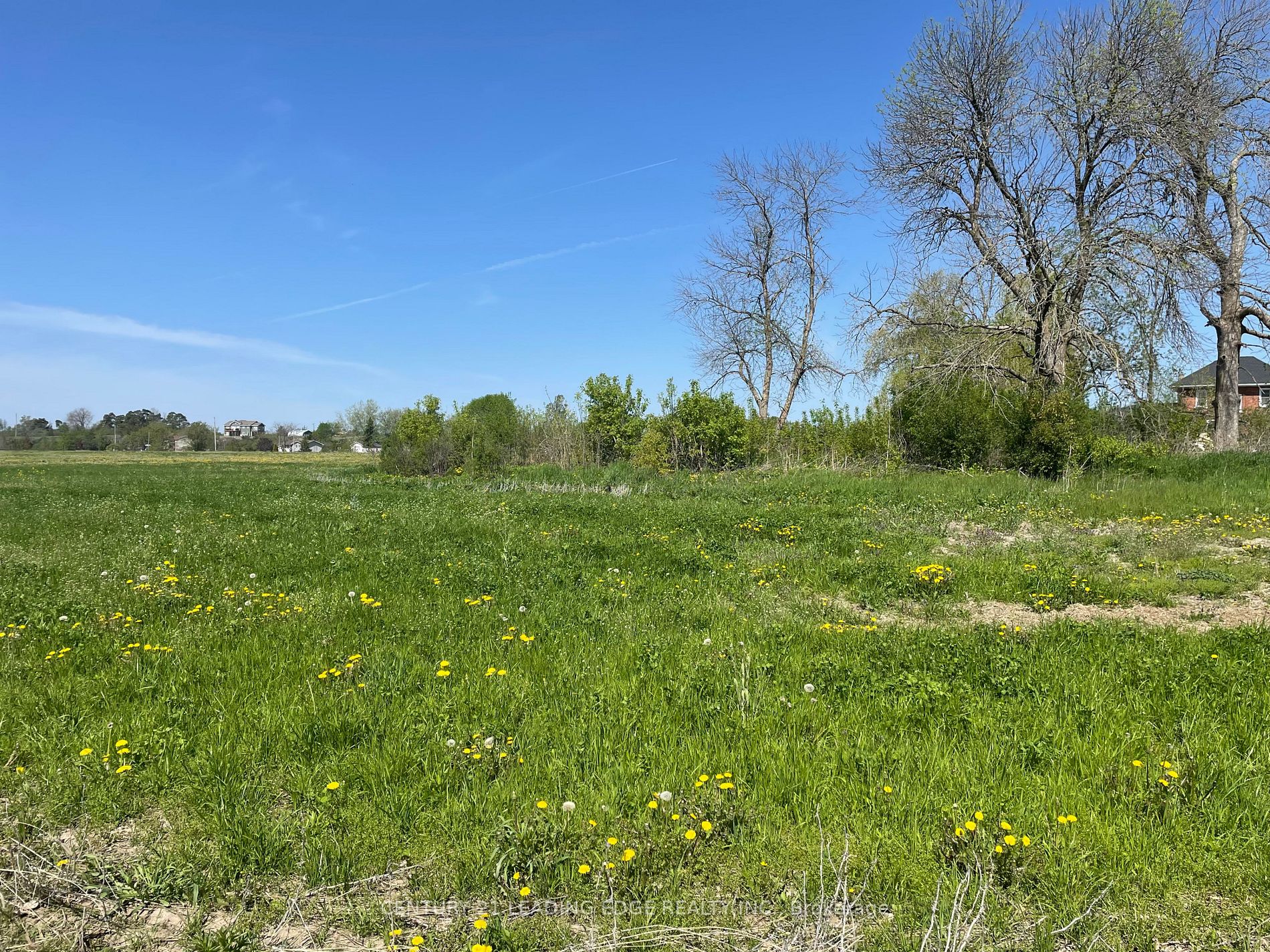
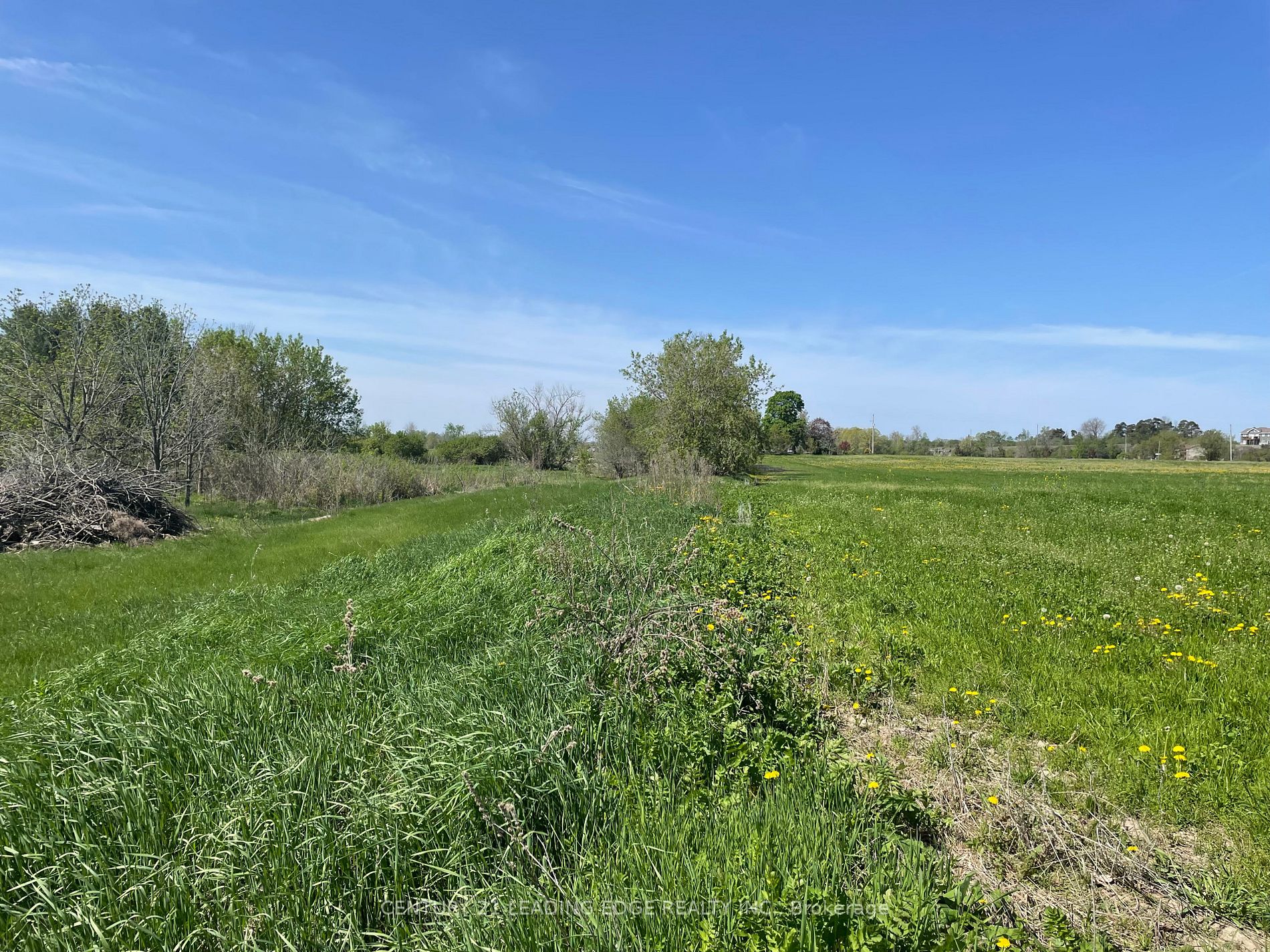
Buying rural land can be an incredible opportunity—but it can also be confusing if you don’t understand the planning rules that govern it. I’m seeing this firsthand in the Greater Napanee area, where interest in larger parcels of land has grown, especially from buyers looking for lifestyle properties, estate homes, or long-term investment potential.
Here’s what buyers and landowners should know before making a move.
Understanding RU (Rural) Zoning
Most rural properties around Greater Napanee are zoned RU (Rural). This zoning allows for a range of uses, including residential homes, agricultural activities, and certain rural-based uses. However, RU zoning does not mean “anything goes.” Development is still governed by the Town’s Official Plan, zoning by-laws, and environmental regulations.
Watercourses and Environmental Setbacks
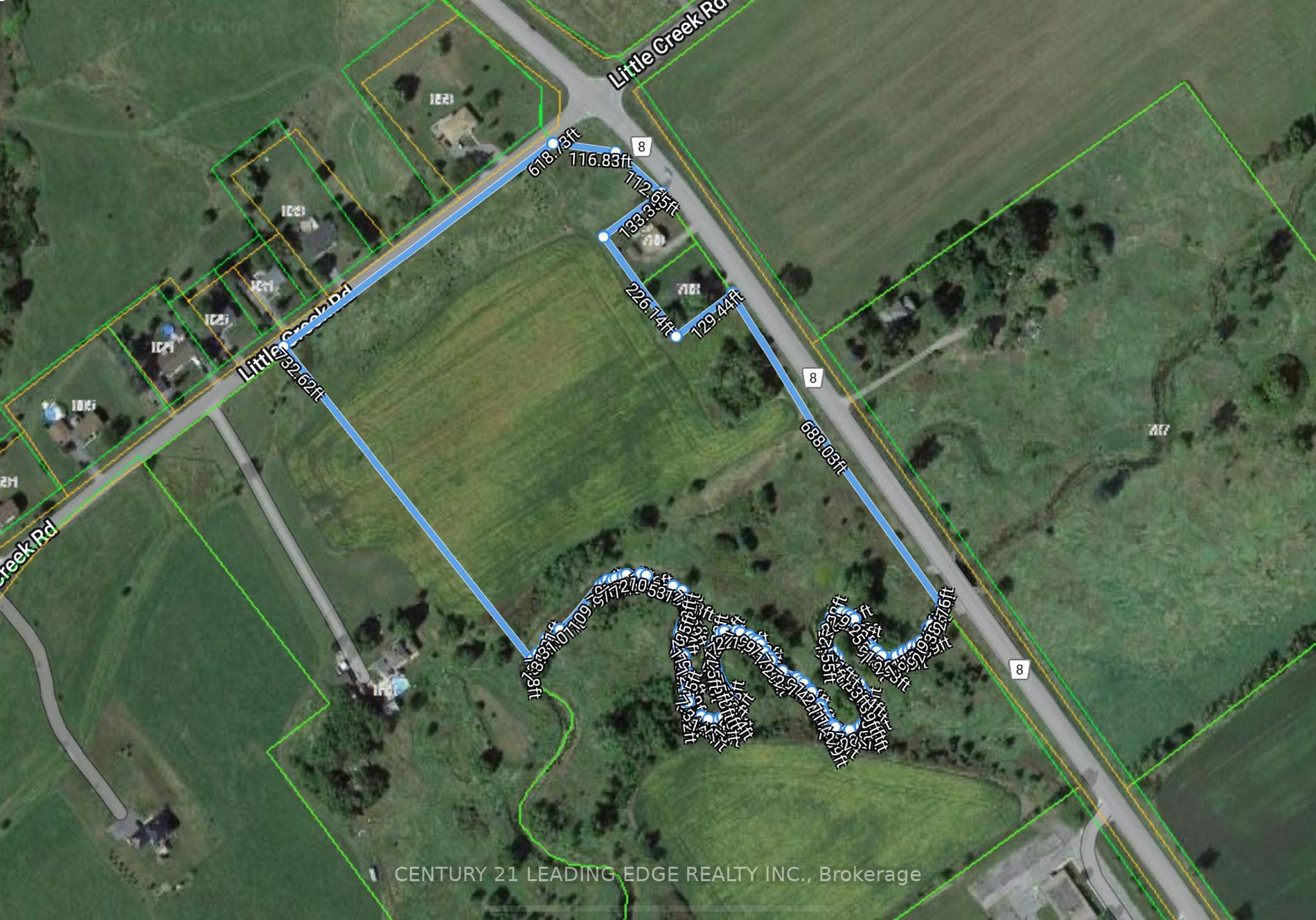
Many rural properties include creeks or watercourses. While these features add natural beauty, they also come with rules. In most cases, development must be set back a minimum of 30 metres from the high-water mark of a creek.
This doesn’t mean the land is unusable—it simply means careful planning is required to determine where a home or structure can be placed. Portions of land near watercourses may be designated as environmentally sensitive, while the remainder remains fully usable.
Conservation Authority Approval
If a property includes a watercourse or environmentally sensitive area, buyers should expect to consult the Cataraqui Region Conservation Authority. Any proposed development must comply with conservation regulations designed to protect water, soil, and natural habitats.
This is a normal part of rural development in Eastern Ontario, but it’s something buyers should factor into their timelines and expectations.
Severance Potential: What’s Possible and What’s Not
A common question I get is whether rural land can be severed into multiple lots.
In Greater Napanee, Official Plan policies typically limit severances based on how a parcel existed at the time the plan came into effect (2002). In many cases, a larger rural lot may be eligible for up to two lots, subject to approvals.
However, severance is never automatic. It may require:
- Conservation Authority approval
- Proof of adequate private services (wells and septic systems)
- Hydrogeological studies
- Reference plans and new deeds
Nearby properties on County Road 8 show that severances are possible, but they come with conditions, costs, and timelines—sometimes extending two years or more.
Why Transparency Matters
One of the biggest reasons rural land listings struggle is uncertainty. Buyers hesitate when zoning, environmental rules, or severance potential aren’t clearly explained.
Clear, upfront information builds confidence. When buyers understand what’s possible—and what isn’t—they’re far more likely to engage, ask questions, and come to the table.
Final Thoughts
Rural land can be an excellent lifestyle or investment opportunity, but it requires informed guidance. Zoning, conservation regulations, and severance policies all play a role in determining a property’s true potential.
If you’re considering buying or selling rural land in the Greater Napanee area, having clear answers upfront can make all the difference between hesitation and action.
If you’d like to discuss a specific property or explore what’s realistically possible, I’m always happy to have that conversation.